7 Expert Tips to Sell Your Home Faster (Investor & Realtor Insights)
Christian Stone is a real estate professional with Keller Williams Northern Montana Realty and the founder of Wrecked & Refined, a five-star rated lifestyle and property brand in Great Falls, Montana. With experience as a homeowner, investor, and short-term rental operator, she focuses on strategic property presentation, marketing, and long-term real estate investment.

When you pull up to a house for the first time, you already have an expectation.
After years of walking properties as a homeowner, seller, and investor, I can tell you this with certainty: buyers decide how they feel about a home before they ever step inside.
Selling your home well isn’t about perfection — it’s about positioning. Whether you’re selling your first home or your fifth, these principles help you sell with clarity, confidence, and leverage.
Table of Contents
First Impressions Are Made Before the Showing
Price With Strategy, Not Sentiment
Decluttering Is About Space, Not Minimalism
Condition Communicates Value
Presentation Matters More Than Perfection
Timing Is a Powerful Leverage Tool
Hire a Professional With a Real Marketing Plan
1. First Impressions Are Made Before the Showing
When you arrive at a house, you automatically form an opinion.
Curb appeal sets the emotional tone before a buyer ever opens the door. I want buyers pulling up to a beautiful canvas, not a list of concerns.
From an investor perspective, if a property doesn’t have the potential for strong curb appeal, I won’t touch it. Buyers want to feel proud pulling into the driveway — and that feeling translates directly into value.
2. Price With Strategy, Not Sentiment
I’ve learned this lesson the hard way.
When a home is overpriced, it sits. Showings slow down, buyers hesitate, and price reductions weaken negotiating power.
When a home is priced competitively sometimes even slightly below expectations urgency is created. Multiple buyers step forward, and competition often drives the price to where the seller truly wants it.
Pricing should be strategic, not emotional.
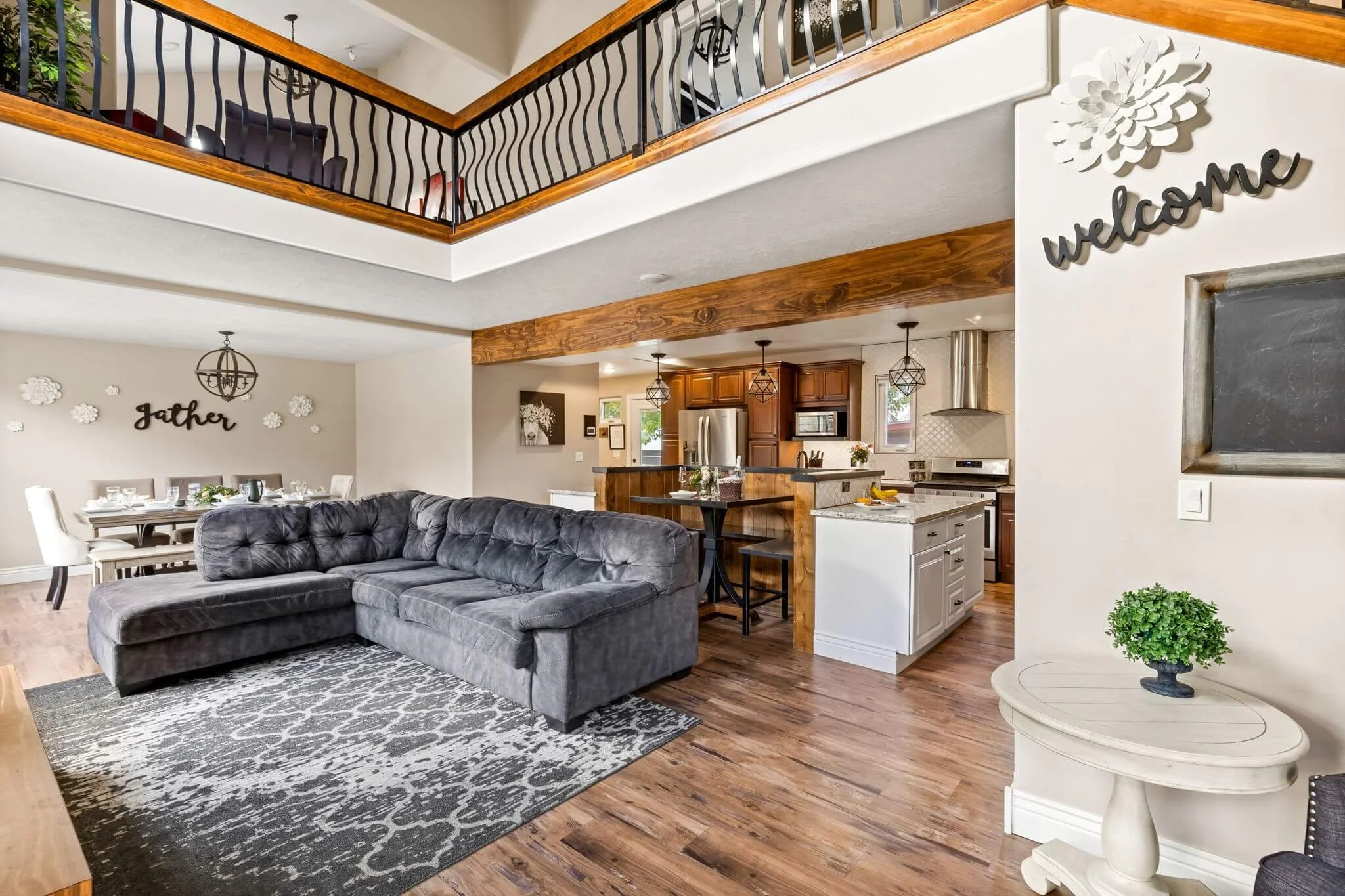
3. Decluttering Isn’t About Minimalism It’s About Space
Think about walking into a hotel or short-term rental.
Can you imagine arriving to someone else’s clutter?
Exactly it’s stressful.
Buyers want to experience space, not belongings. Renting a storage unit and living as if you’re only staying in the home for one or two months can completely change how buyers perceive value. Buyers aren’t evaluating your belongings—they’re evaluating how easily they can picture their life in the home.
4. Condition Communicates Value
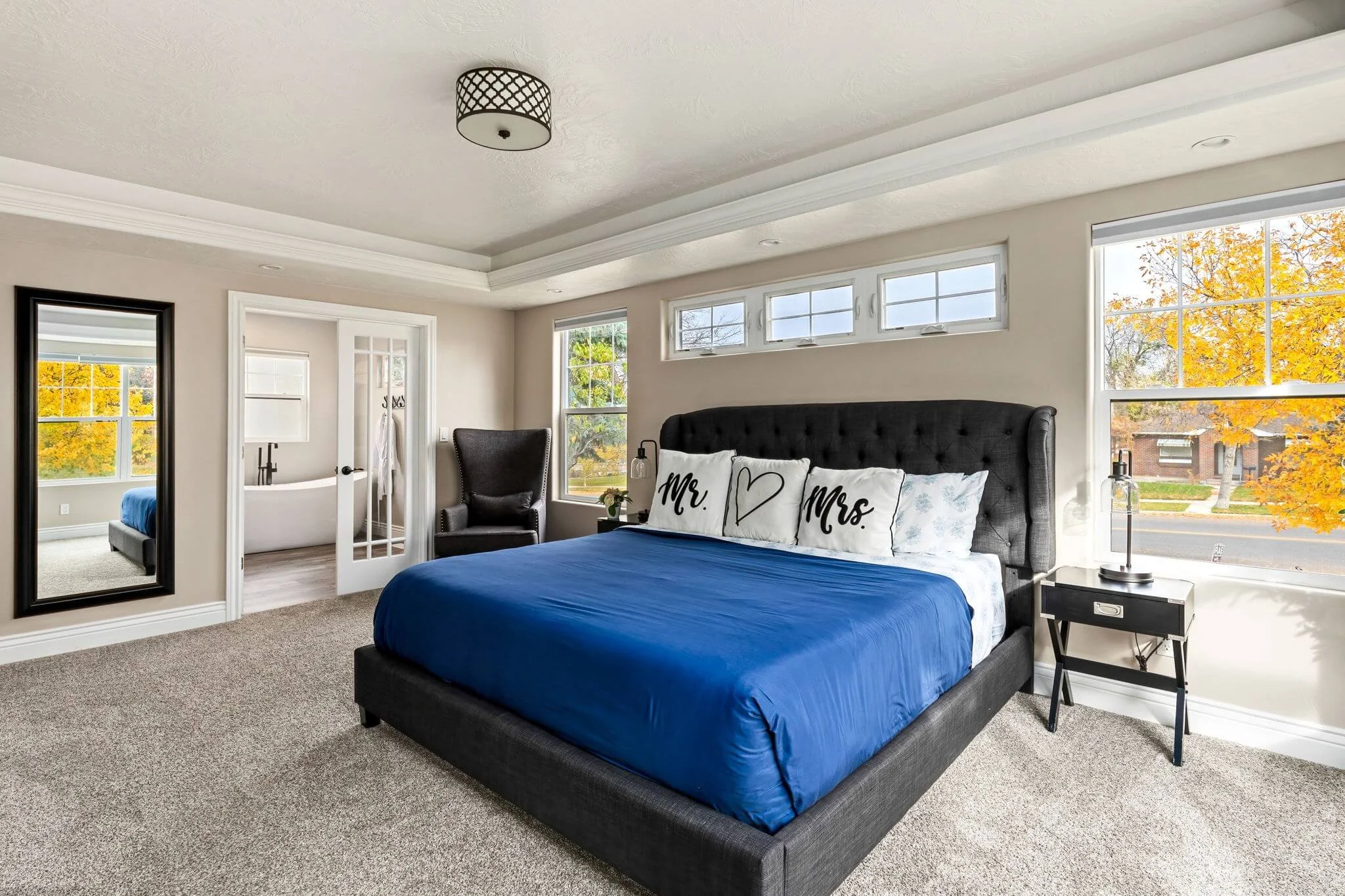
Small issues quietly create doubt. When small issues are visible, buyers often assume there are larger ones they can’t see.
Unfilled nail holes, scuffed paint, loose fixtures, and visible wear all raise one question: what else hasn’t been maintained?
Whether you hire help or do it yourself, take care of the details. A well-maintained home feels trustworthy — and trust shows up in offers.

5. Presentation Matters More Than Perfection
Your home doesn’t need to be perfect — it needs to be presented intentionally.
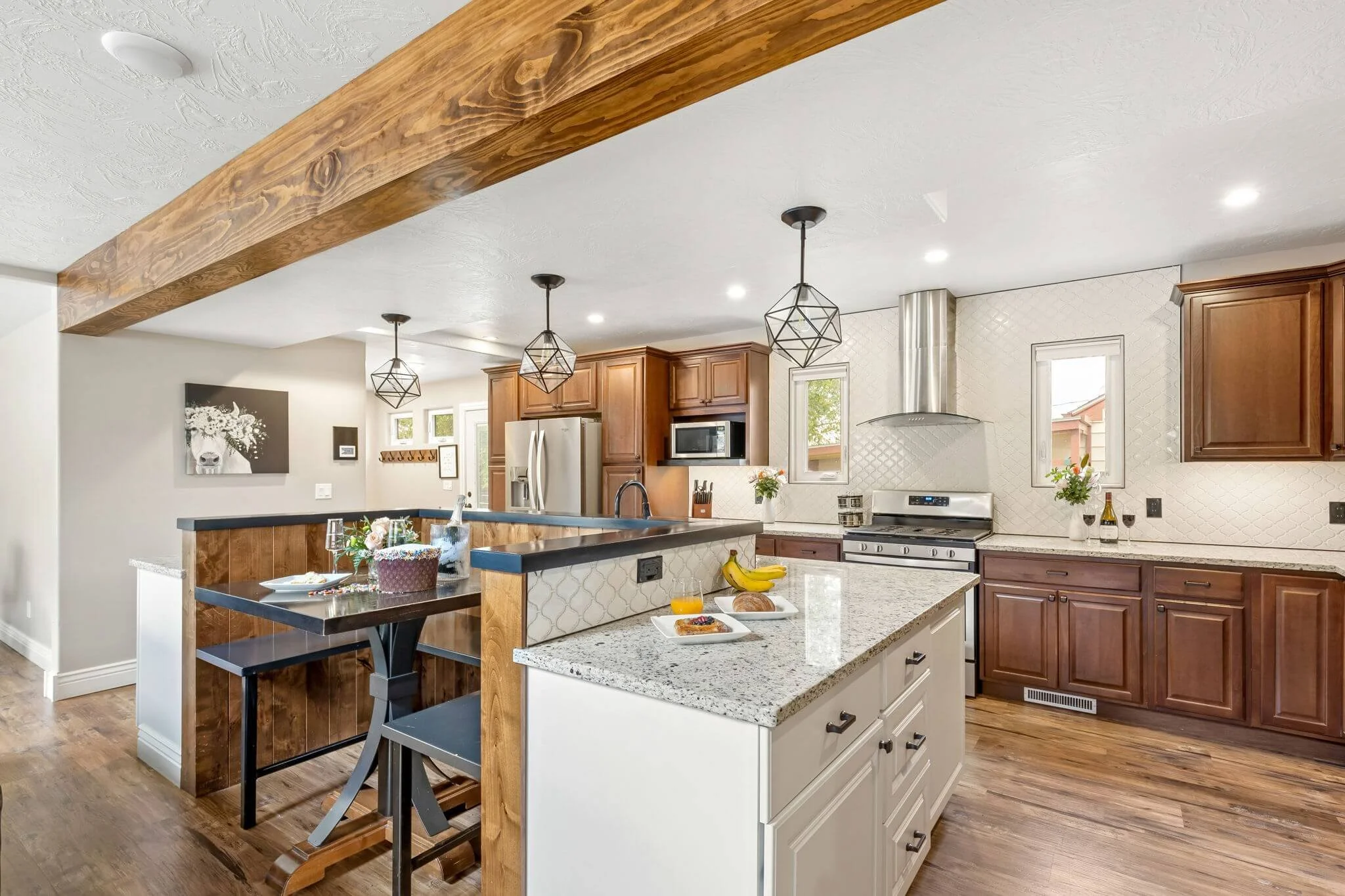
Cleanliness, fresh paint where needed, professional photos, and thoughtful staging elevate how a home feels online and in person.
Presentation highlights strengths and builds confidence. Buyers aren’t looking for perfect—they’re looking for homes that feel cared for and thoughtfully presented.
6. Timing Is a Leverage Tool
Timing can amplify results.
Late April to early May is often a strong window — buyer demand increases while inventory is still limited. This creates leverage.
Listing too early can limit comparable sales. Waiting too long increases competition. The goal is to position your home where demand outweighs supply what I call the honey hole.
7. Hire a Professional With a Real Marketing Plan
If someone is selling your home, they should have a clearly defined marketing plan before your home ever hits the market.
Ask questions:
Do they use professional photography?
How do they create urgency?
What is their negotiation strategy?
How do they market beyond the MLS?
If professional photography isn’t included, that’s a clear signal to keep looking. Marketing isn’t just exposure—it’s how a home is positioned, photographed, and experienced by buyers.
Lenders and tax advisors love content that includes financial awareness.
Understanding Net Proceeds
Sellers should consider closing costs, potential capital gains taxes, and commissions when preparing to sell. Speaking with a tax advisor or financial professional can help sellers understand the true financial outcome of a home sale.

Real-Life Example
Many of the images throughout this post come from a professionally prepared luxury home in Montana. This property was intentionally staged, maintained, and presented using the same principles shared above clarity, condition, timing, and thoughtful presentation.
Seeing these strategies applied in a real-world setting helps sellers understand how preparation directly impacts perception and value.
Explore the property here.
Final Thought
Homes that sell well rarely do so by accident. Strategic pricing, thoughtful preparation, and professional marketing can dramatically influence how buyers perceive a property.
If you're preparing to sell your home in Great Falls, Montana or the surrounding region, working with an experienced real estate professional who understands positioning and presentation can make a meaningful difference in your results.
Frequently Asked Questions
How can I sell my home faster?
Preparing your home with strong curb appeal, competitive pricing, professional photography, and thoughtful staging can significantly increase buyer interest and shorten time on market.
Should I stage my home before selling?
Professionally staged homes often photograph better and help buyers imagine themselves living in the space.
What month is best to sell a home?
Many markets experience strong buyer demand during the spring months when inventory is lower and buyers are actively searching.
Trusted Industry Resources
The principles shared in this article align with guidance from respected real estate organizations, housing economists, and financial professionals. Sellers who want to understand market dynamics, pricing strategy, and the financial considerations involved in selling a home may find these trusted resources helpful.
National Association of Realtors (NAR)
The National Association of Realtors provides extensive research on housing trends, buyer behavior, and best practices for preparing and marketing homes for sale.
https://www.nar.realtor
Freddie Mac Housing Market Research
Freddie Mac publishes housing market insights and data on national housing supply, mortgage trends, and market timing considerations.
https://www.freddiemac.com/research
Federal Housing Finance Agency (FHFA)
The FHFA tracks national home price trends through the House Price Index, providing insights into long-term real estate market performance.
https://www.fhfa.gov
Internal Revenue Service — Home Sale Tax Guide
Home sellers may qualify for capital gains exclusions under certain circumstances. The IRS provides official guidance regarding taxes associated with selling a home.
https://www.irs.gov/taxtopics/tc701
Consumer Financial Protection Bureau (CFPB)
The CFPB offers resources for homeowners navigating mortgages, refinancing, and financial planning related to real estate.
https://www.consumerfinance.gov
Professional Note
Real estate markets vary by region. Sellers are encouraged to consult with qualified real estate professionals, tax advisors, and financial professionals when preparing to sell a home to fully understand pricing strategy, closing costs, and potential tax considerations.
At Wrecked & Refined, we believe homes hold far more than walls and finishes. They become places where families grow, values are shaped, and memories quietly build a legacy over time. Thoughtful stewardship of a home how it is cared for, presented, and passed forward—can strengthen families and create opportunities for generations to come. Our goal is always to approach real estate with wisdom, integrity, and long-term vision, helping people not only buy or sell property, but build something meaningful within it.
