7 Design Decisions That Transformed This Home by Bringing the Light In
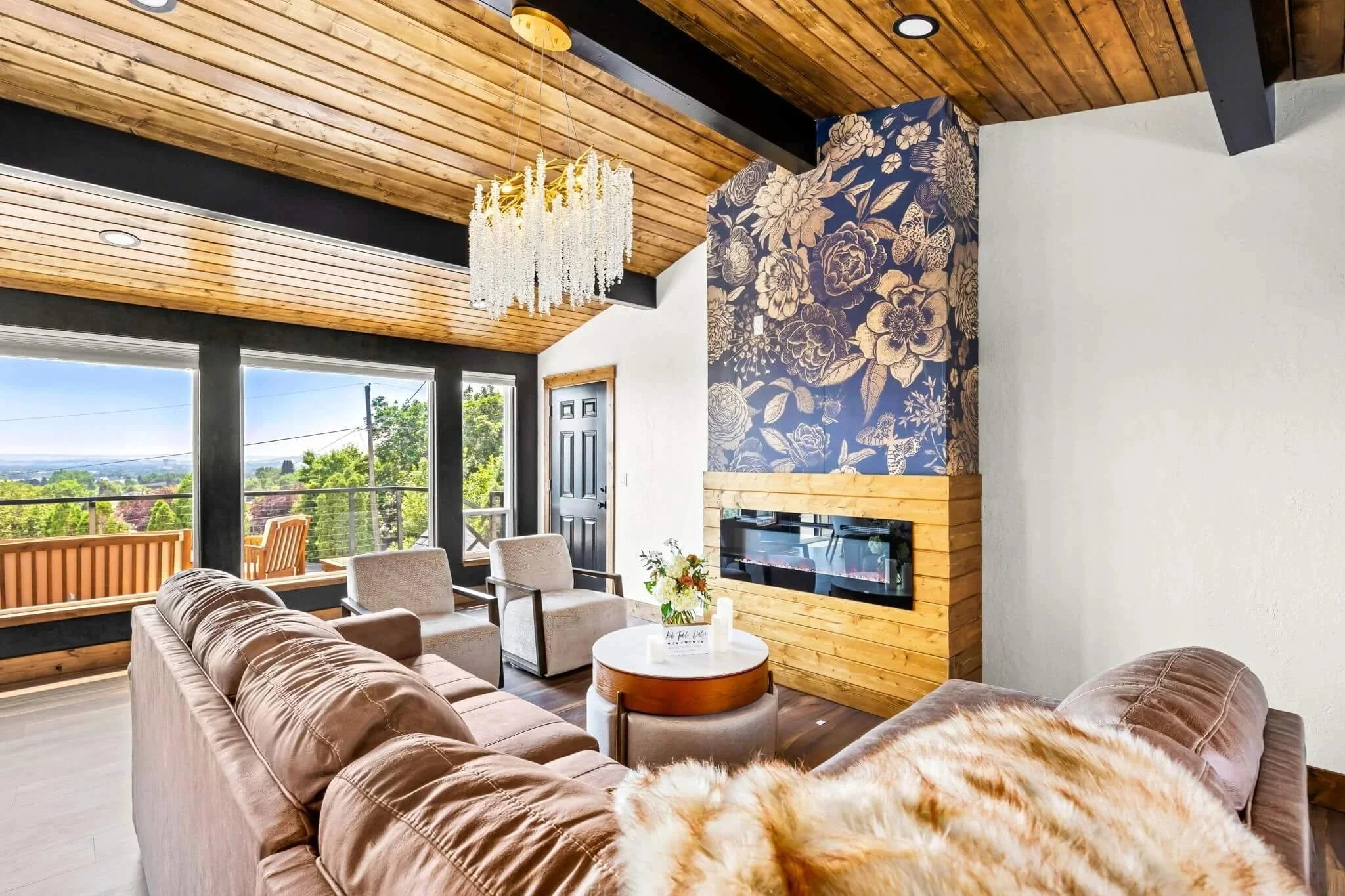
Great Falls, Montana home.
Christian Stone is a real estate professional with Keller Williams Northern Montana Realty and the founder of Wrecked & Refined, a five-star rated lifestyle and property brand based in Great Falls, Montana. As a homeowner, investor, and designer of renovated homes, she focuses on thoughtful property transformation, strategic design, and creating spaces that support real life and lasting legacy.
(Luxury Home Remodel | Before & After Case Study | Wrecked & Refined)
Introduction
Every home I remodel is different — by design.
Repetition is easy. Safe. Predictable.
But homes are not meant to be replicas of one another, and design loses its soul when it becomes formulaic.
This home required a different way of thinking.
There were small windows, a stunning view, and a layout that worked against the light instead of with it. Rather than forcing trends or repeating past solutions, I challenged myself — as I do with every project — to listen to what the home was asking for.
The answer became clear:
Bring the light in. Let it lead.
What follows are the seven intentional design decisions that transformed this home — not by adding excess, but by removing friction, honoring structure, and designing for real life.
Table of Contents
Designing for Light, Not Trends
A Small Structural Shift That Changed Everything
Cabinetry as Grounding
Wallpaper Used as Connection
Anchoring the Open Concept
Honoring Transitional Spaces
Designing for Emotion First
A Note on How I See Homes
Light is not decoration — it is direction.
When designing a home, I start by asking better questions before choosing finishes:
• Where does the light naturally enter?
• Where does it pause?
• Where does it get interrupted?
• How do people actually move, live, and rest here?
Homes are not static spaces — they are living environments shaped by rhythm, routine, and emotion. When design supports that flow, a home feels calm without trying to be.
That philosophy guided every decision in this remodel.
The answer was clear:
Bring the light in. Let it lead.
What follows are the seven intentional design decisions that transformed this home — not by adding excess, but by removing friction, honoring structure, and designing for real life.
Designing for Real Life (and Real People)
At Wrecked & Refined, design is not about impressing — it is about serving.
This home needed:
• Better flow
• Clear transitions
• Visual grounding
• Emotional ease
Luxury, to me, is not loud.
It is thoughtful.
It is restraint.
It is clarity.
1. Designing for Light, Not Trends
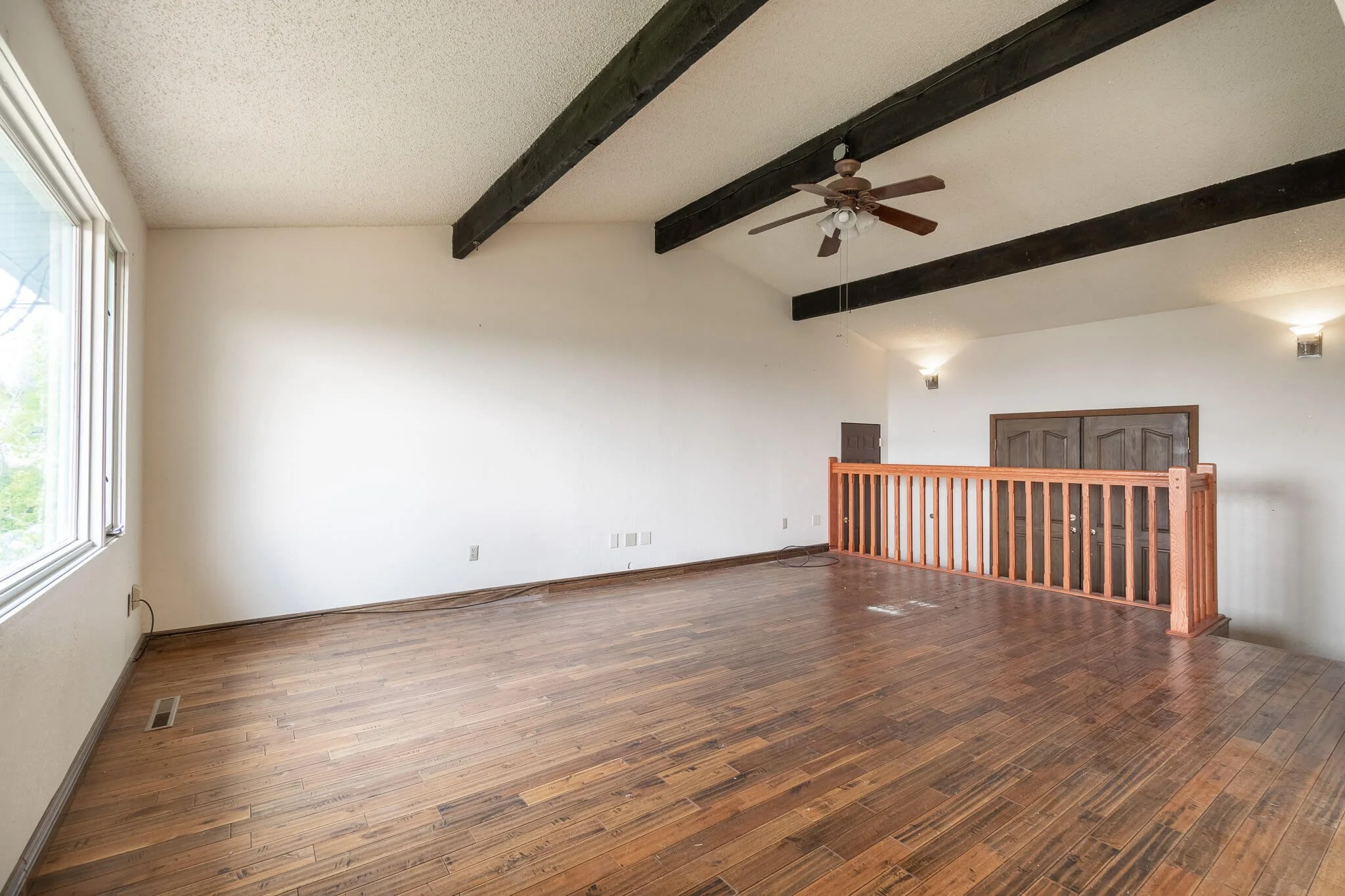
Original living room before renovation with lowered entry and interior railing in a Great Falls, Montana home
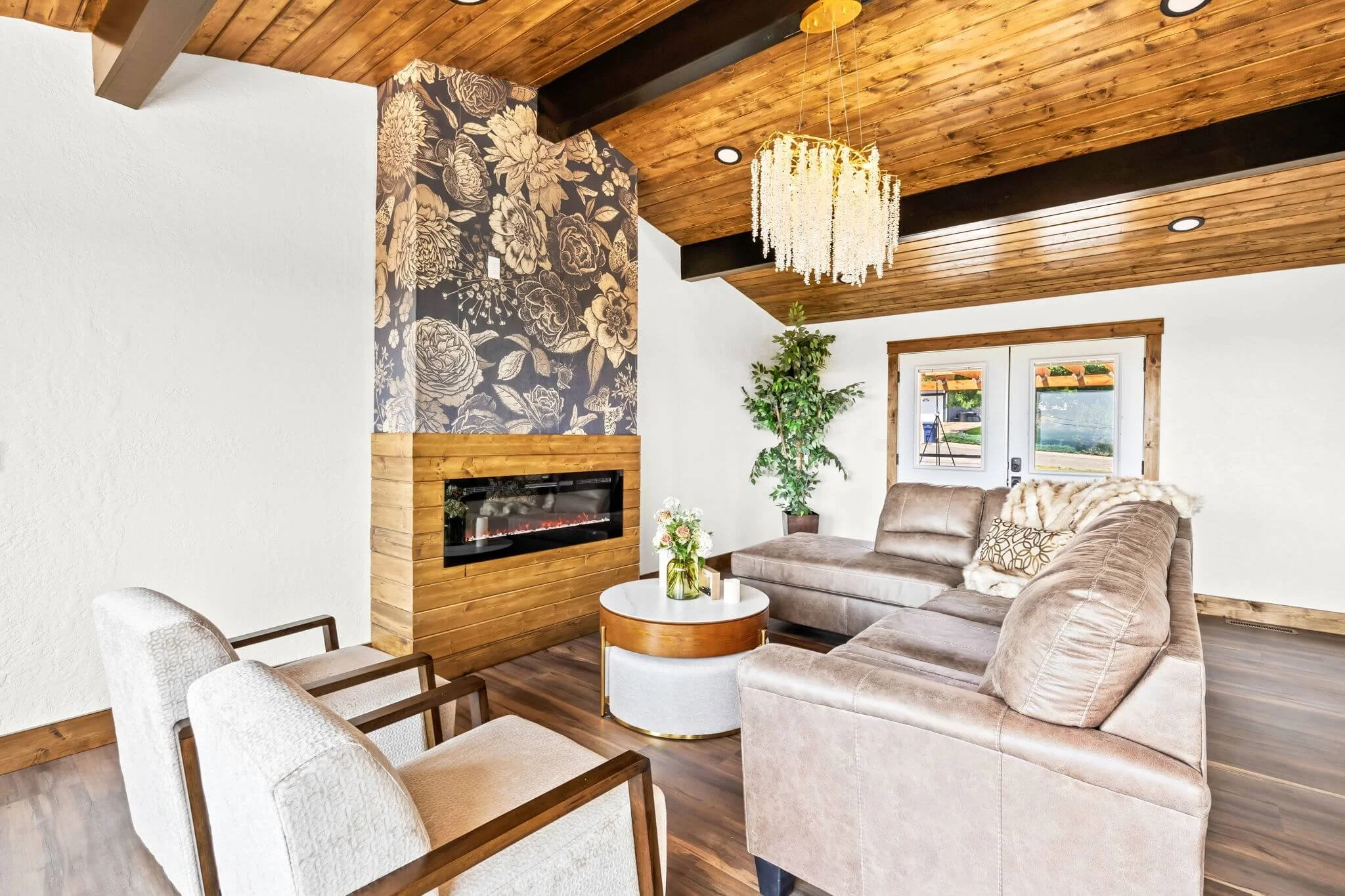
Bright living room after renovation in Great Falls, Montana, with a wood ceiling, fireplace, and modern finishes.
Before any finishes were selected, I addressed the home's largest design obstacle — the entry.
Originally, when you walked through the double front doors, you were immediately confronted with balusters and a railing. The living room floor sat approximately 2.5 feet higher than the entry, creating an abrupt first impression and disrupting the natural flow of the home.
The solution required structural rethinking.
By lifting the living room and entry to the same level — and relocating the steps to the exterior deck where they belonged — the space immediately felt more open, intuitive, and welcoming.
This single change:
• Removed visual interruption
• Improved circulation to the garage and living areas
• Allowed light to travel freely across the space.
Design Principle:
Light first. Everything else follows.
2. A Small Structural Shift That Changed Everything
Original kitchen before renovation with U-shaped layout and dated finishes in a Great Falls, Montana home.
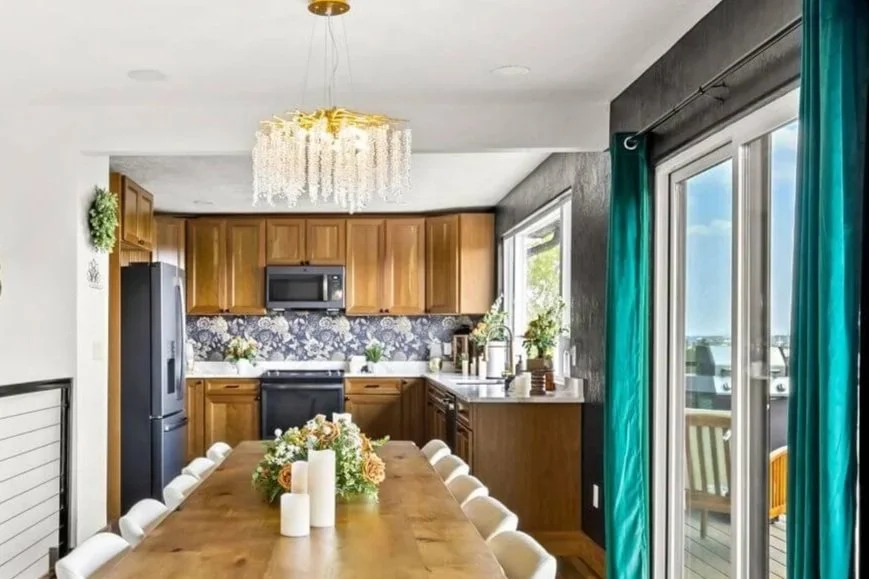
Renovated open-concept kitchen with warm wood cabinetry and natural light in a Great Falls, Montana home.
In the kitchen, the most impactful change was not decorative — it was architectural.
We moved the wall farthest from the window approximately 14 inches. On paper this seemed small, but in practice it changed everything.
That subtle shift:
• Improved natural light flow
• Corrected the room's proportions
• Connected the kitchen visually to the view beyond
• Allowed the space to breathe
New cabinetry and appliances were introduced, and wallpaper was added to quietly echo the fireplace build-out in the living room, creating cohesion without repetition.
Small changes, when done intentionally, often create the greatest impact.
3. Cabinetry as Grounding
Cabinetry in this home was not selected to dominate the space — it was chosen to anchor it.
Warm wood tones provide visual grounding while balancing:
• Natural light
• Clean architectural lines
• Open sightlines
Rather than competing with the architecture, the cabinetry supports it. The result is a kitchen that feels calm, layered, and enduring.
4. Wallpaper Used as Connection
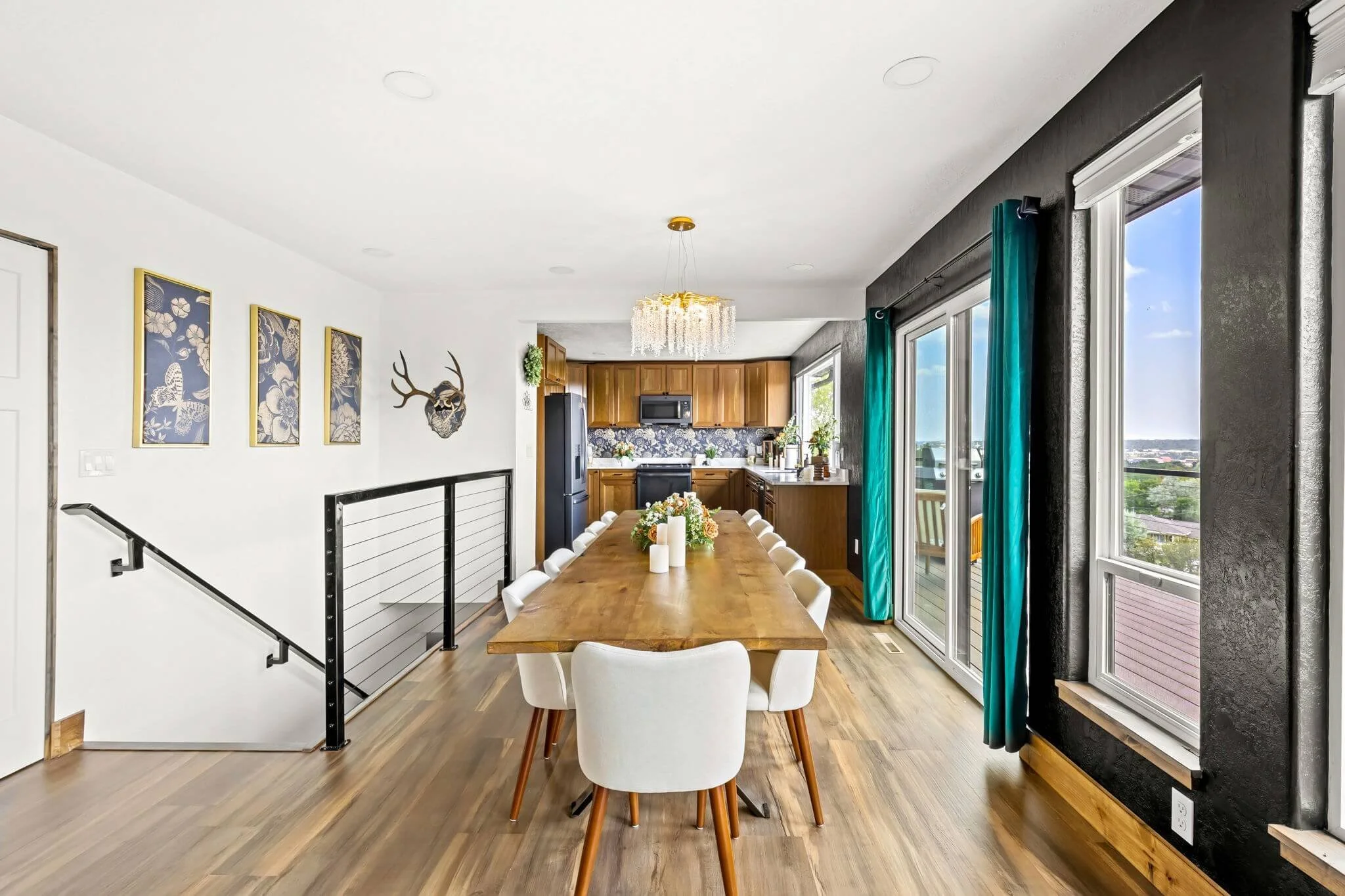
In this home, wallpaper was not decoration — it was connection.
The black wall was intentional.
Its purpose was to frame the true focal point:
the view.
By grounding the wall behind the windows, the landscape outside becomes the artwork. The contrast naturally draws the eye outward, allowing the surrounding environment to take center stage.
Design Principle:
When the view is the luxury, the interior should support it — not compete with it.
5. Anchoring the Open Concept
Open concept homes often fail when every space tries to speak at once.
In this design, each zone was given a clear role:
• Dining area anchored by proportion
• Kitchen defined through material
• Living room grounded by warmth and texture
The result is an open floor plan that feels expansive without feeling exposed.
6. Honoring Transitional Spaces
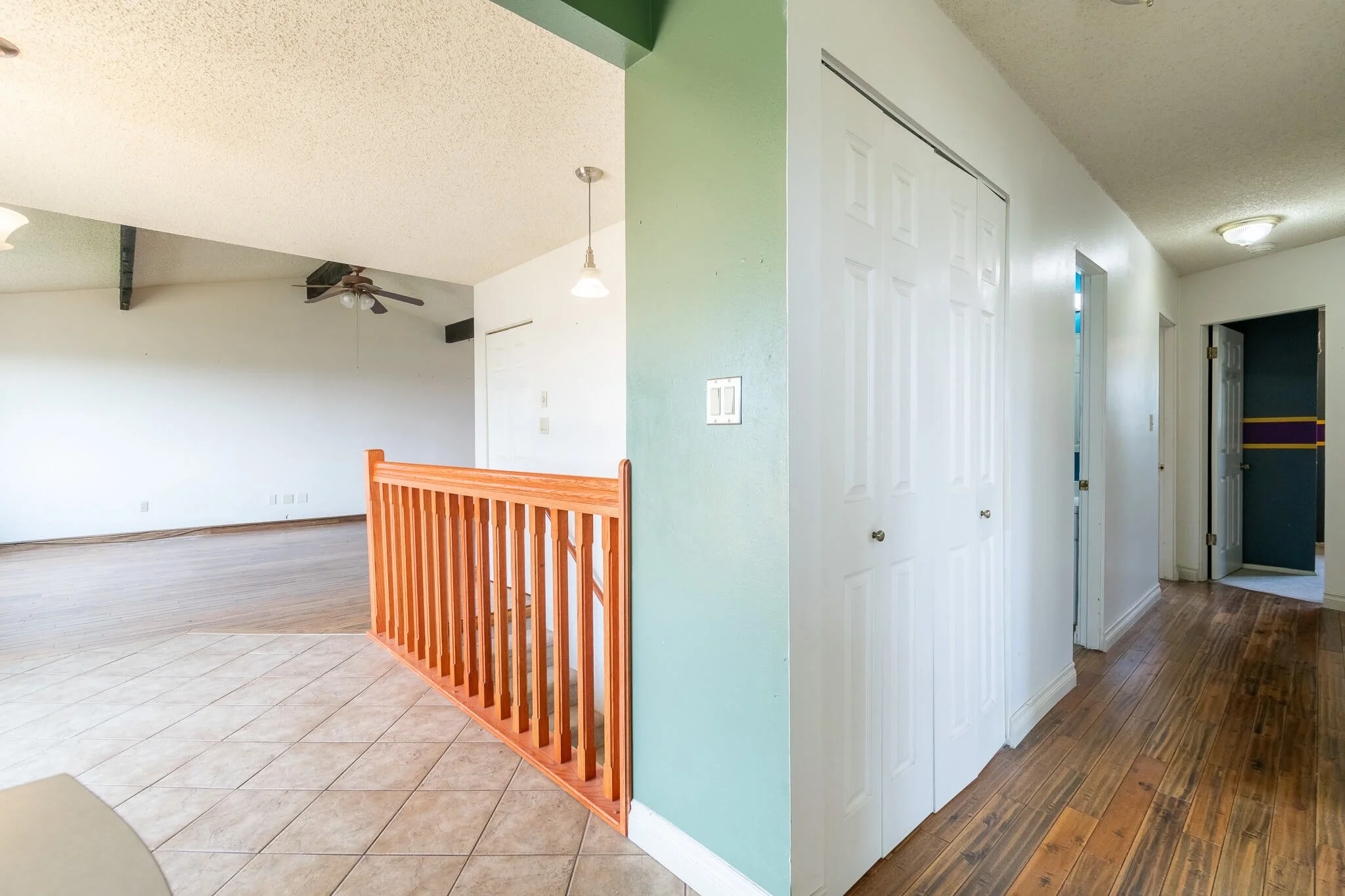
Original hallway before renovation in a Great Falls, Montana home.
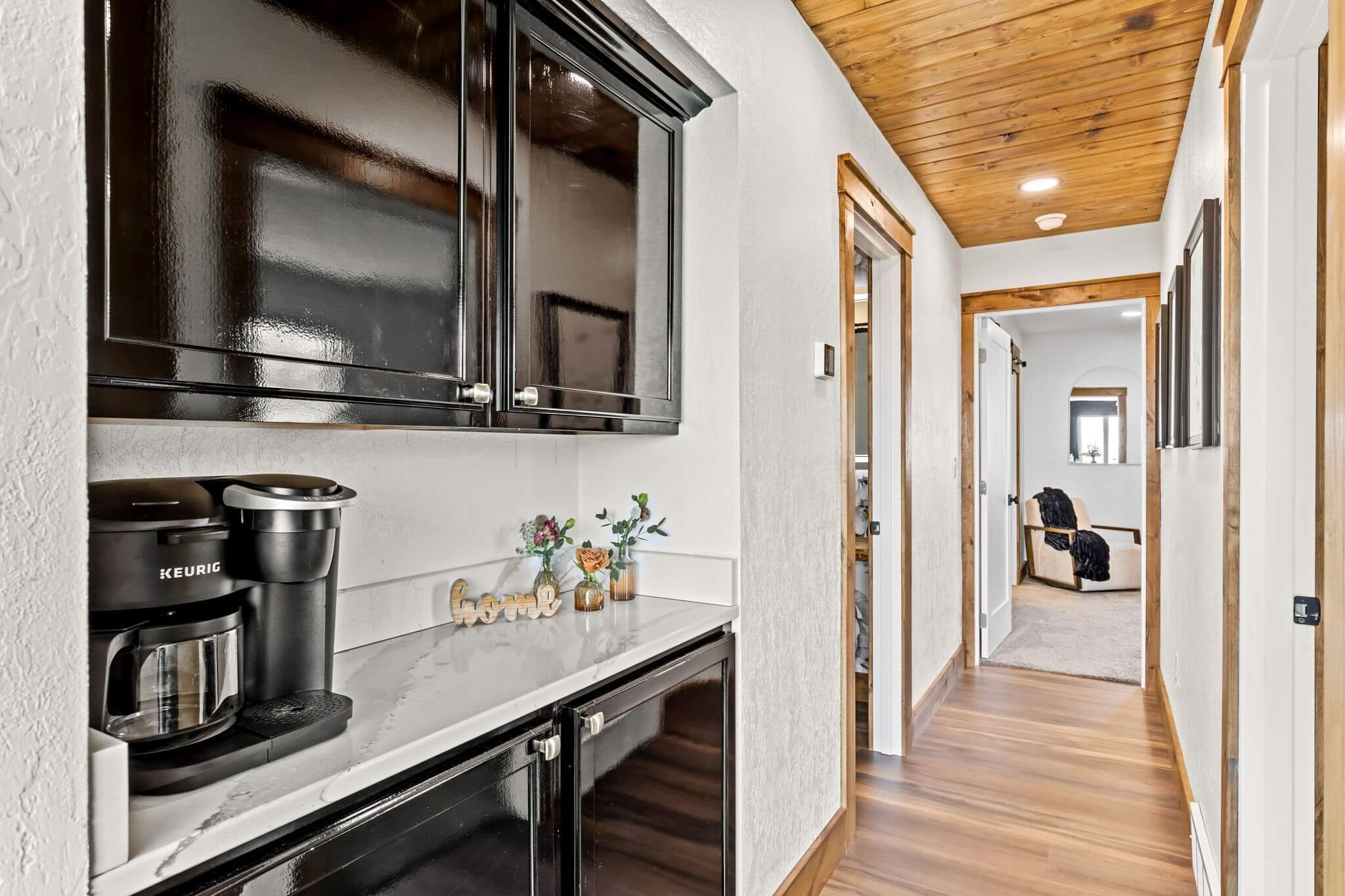
Hallway after renovation with lowered entry, railing, and dated finishes in a Great Falls, Montana home.
Hallways are often overlooked in design, yet they are where homes are truly experienced.
This hallway originally connected three bedrooms and two small bathrooms. During the renovation, we removed one bedroom to create space for a generously sized primary suite (which will be featured in a future post).
The hallway itself was intentionally redesigned to emphasize:
• Visual continuity
• Warm materials
• Clean sightlines
• Moments of pause
By adding cabinetry, simplifying finishes, and highlighting natural wood tones, the hallway became a calm transition rather than simply a corridor.
Design Principle:
Transition spaces deserve as much intention as destinations.
7. Designing for Emotion First
Every design decision in this home passed one simple question:
How should this space feel?
Calm.
Grounded.
Welcoming.
Refined — without feeling cold.
Thoughtful design supports both the physical and emotional experience of living in a space. This home was designed to restore rather than overwhelm.
The Balance of Elegant and Masculine
Every Wrecked & Refined project balances softness and strength.
I design alongside my husband, and we often live in the spaces we create. That lived experience influences our approach.
Homes that lean too far in one direction rarely feel welcoming.
Elegance without grounding feels fragile.
Masculine without warmth feels harsh.
This home blends:
• Clean structure
• Warm textures
• Practical layouts
• Timeless materials
Design that welcomes everyone.
The Wrecked & Refined Way
Wrecked & Refined exists to help people build homes, lives, and legacies with intention — especially after hard seasons.
Our approach is quiet.
Grounded.
Purpose-driven.
We do not design for applause.
We design for peace.
Final Reflection
This home did not need excess.
It needed clarity.
Light.
Room to breathe.
Designing it was a reminder that transformation rarely comes from doing more — it comes from doing what matters, thoughtfully.
If you are rebuilding a home — or a season of life — remember that beauty and peace can coexist.
Frequently Asked Questions
Why is natural light so important in home design?
Natural light improves the emotional experience of a home, enhances architectural features, and makes spaces feel larger and more welcoming.
What design changes increase home value during a remodel?
Structural improvements that improve layout, light, and flow typically add the most value, especially when combined with quality materials and thoughtful finishes.
Are open concept homes still desirable?
Open concept layouts remain popular when they maintain visual grounding and defined spaces. Good design balances openness with structure.
Design Perspectives & Resources
The following publications regularly explore thoughtful design, natural light, and livable luxury.
Architectural Digest
https://www.architecturaldigest.com
Dwell Magazine
https://www.dwell.com
Elle Decor
https://www.elledecor.com
Houzz Design Guides
https://www.houzz.com
Studio McGee Journal
https://studio-mcgee.com
These perspectives support design that prioritizes longevity, livability, and thoughtful architecture.
Wrecked & Refined Philosophy
At Wrecked & Refined, we believe homes hold far more than walls and finishes.
They become places where families grow, values are shaped, and memories quietly build a legacy over time.
Thoughtful stewardship of a home — how it is cared for, designed, and passed forward — can strengthen families and create opportunity for generations to come.
Our goal is always to approach homes with wisdom, integrity, and long-term vision.
Because a home is never just a project.
It is a place where life unfolds.
